
The Psychological Costs of Gambling
Gambling can often be seen as a source of entertainment, but it can have significant psychological costs that are frequently overlooked. Many individuals enter a casino with the expectation of having fun, only to find themselves engulfed in stress, anxiety, and potential addiction. For instance, platforms like 1win can provide a variety of games, but the thrill of gambling can transform quickly into a compulsion, where players feel an uncontrollable desire to keep playing, leading to mental health challenges such as depression or anxiety disorders.
Moreover, the environment of a casino can exacerbate these psychological issues. The sights, sounds, and overall atmosphere are designed to heighten excitement and engagement, which may lead to poor decision-making. Those who find themselves losing can experience feelings of shame or guilt, making it challenging to exit the cycle of gambling. Understanding these psychological costs is essential for anyone considering the allure of a casino, as they can have lasting effects on one’s mental well-being.
In addition, the social aspects of gambling can also weigh heavily on an individual’s psyche. Friends or family members may not understand the allure, leading to isolation for those who struggle with gambling addiction. This isolation can further compound psychological issues, leaving individuals feeling more alone and desperate. When the fun of gambling turns into a source of distress and emotional turmoil, it becomes crucial to weigh these hidden costs against the perceived benefits of the gambling experience.
The Financial Implications of Gambling
Beyond the initial monetary investment, the financial implications of gambling in casinos can be staggering. While many players enter with a set budget, the thrill of winning can easily lead to overspending. Casinos often employ tactics to encourage players to continue gambling, such as complimentary drinks or enticing bonuses – all of which can lead to financial strain. Gamblers may find themselves chasing losses, believing they can regain what they lost, only to end up in a deeper financial hole.
Moreover, the hidden costs can extend beyond the casino floor. Many gamblers do not account for additional expenses such as travel, accommodation, and dining. These expenses can add up quickly, creating a scenario where the overall costs of a gambling outing far exceed what was initially planned. It’s essential for individuals to understand the total financial impact of their gambling activities, including potential losses and related expenses, to avoid a situation where they find themselves in deeper debt.
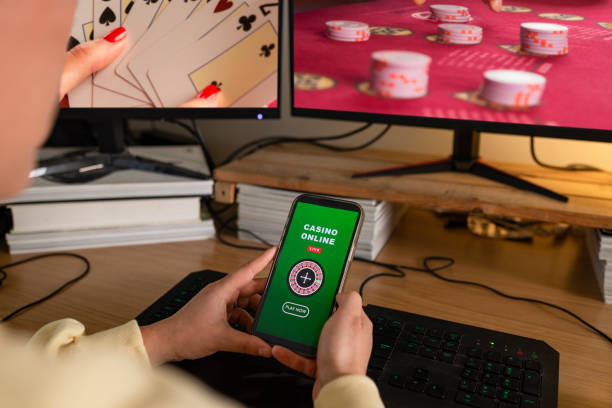
Additionally, the long-term financial consequences of gambling can be severe. For some, repeated losses can lead to bankruptcy, foreclosure, or significant debts that take years to pay off. The allure of hitting it big can cloud judgment, causing people to overlook the reality of their financial situation. Recognizing these financial implications is critical for anyone considering gambling, as they can lead to devastating results that affect not only the gambler but their loved ones as well.
The Social Costs of Gambling
The social costs of gambling are often overlooked but can be as damaging as the financial implications. Family and relationships can suffer when one member of the household becomes engrossed in gambling. The time spent at casinos or gambling online can take away from valuable family interactions, leading to feelings of neglect or resentment. Communication breakdowns may occur, with family members feeling unable to discuss the growing gambling problem, which creates a rift that can become insurmountable.
Additionally, friendships can also be affected by gambling behaviors. Those who gamble heavily may find their social circles shrinking, as friends become distant due to the individual’s behavior or financial constraints. The stigma surrounding gambling addiction can further alienate individuals, making it hard for them to reach out for help or find support. This isolation can create a cycle where the individual turns to gambling for solace, further perpetuating their social withdrawal.
Communities can also feel the impact of gambling, particularly in areas where casinos are prevalent. Problems such as increased crime rates, domestic disputes, and financial distress can contribute to a decline in community well-being. Local businesses may suffer as gambling takes precedence over other forms of recreational spending. As such, understanding the broader social costs of gambling provides a clearer picture of its impact beyond individual experiences, affecting families and entire communities.
The Costs of Time and Opportunity
The most unquantifiable cost of gambling is perhaps the time spent in casinos or gambling establishments. Many individuals may not realize how many hours they devote to gambling activities, often at the expense of work, family, or personal hobbies. This lost time can significantly affect life satisfaction and lead to a sense of regret over missed opportunities and experiences. Not utilizing one’s time effectively can create a nagging feeling that life is passing by, which can contribute to mental health struggles.

In many cases, gamblers may also encounter missed professional opportunities. The pursuit of gambling can lead to a lack of focus on career advancement or essential goals. Regularly attending casinos at the expense of work commitments can affect performance, leading to potential job loss or reduced professional growth. Individuals might find themselves in a precarious position where they must choose between their gambling habits and their professional lives, often leading to dire consequences.
Furthermore, the opportunity cost extends to personal relationships. As gambling takes precedence, friends and family events may be missed or neglected, leading to lasting relationships suffering as a result. Engaging in healthier, productive activities can enhance personal fulfillment, but gambling often restricts individuals from pursuing these fulfilling paths. Understanding the costs of time and opportunity is crucial for anyone involved in gambling, as they can significantly impact overall life satisfaction and fulfillment.
Understanding More About Hidden Costs
The exploration of hidden costs involved in gambling is crucial for potential gamblers. Awareness is the first step toward making informed decisions. Individuals interested in gambling should take time to educate themselves about all factors that contribute to both the enjoyment and hazards of the casino experience. Resources, both online and within local communities, can offer insights into responsible gambling practices and support for those dealing with gambling-related issues.
Additionally, recognizing the signs of problem gambling is vital for self-awareness and recovery. Resources like counseling services or support groups can provide assistance for those who find themselves affected by the hidden costs of gambling, whether personally or through loved ones. By creating a dialogue and eliminating the stigma associated with discussions around gambling, individuals can better understand their behaviors and the impacts on their lives.
Ultimately, this awareness extends beyond individual experiences and invites broader conversations about gambling within communities and society at large. Promoting an understanding of hidden costs encourages a culture of responsibility and support, making it possible for individuals to enjoy gaming safely and healthily. By addressing these hidden costs head-on, individuals can make informed choices that foster well-being and community support.